
Photo courtesy of OCP.
Strengthening U.S. phosphate-based fertilizer supply for American farmers
CHS, America’s largest farmer-owned cooperative, and OCP North America, a subsidiary of OCP Group, a leading phosphate supplier, are working to establish a joint venture to build a phosphate-based fertilizer production facility at the Cornerstone Energy Park in Waggaman, Louisiana.
This project is designed to strengthen U.S. phosphate-based fertilizer supply by increasing domestic manufacturing capacity, helping address the long-term decline in U.S. phosphate production, and reducing reliance on imported fertilizer. By expanding phosphate-based fertilizer production in the United States, the project will help provide American farmers with a more reliable source of essential nutrients needed to grow crops, supporting a more secure and resilient food supply.
Strengthening U.S. phosphate-based fertilizer supply for American farmers
CHS, America’s largest farmer-owned cooperative, and OCP North America, a subsidiary of OCP Group, a leading phosphate supplier, are working to establish a joint venture to build a phosphate-based fertilizer production facility at the Cornerstone Energy Park in Waggaman, Louisiana.
This project is designed to strengthen U.S. phosphate-based fertilizer supply by increasing domestic manufacturing capacity, helping address the long-term decline in U.S. phosphate production, and reducing reliance on imported fertilizer. By expanding phosphate-based fertilizer production in the United States, the project will help provide American farmers with a more reliable source of essential nutrients needed to grow crops, supporting a more secure and resilient food supply.
The project would produce over 1 million metric tonnes of phosphate-based fertilizer annually, creating a significant new source of domestically manufactured crop nutrients for American agriculture. Products manufactured at the facility will be distributed through the CHS cooperative- and farmer-owned distribution network and marketed via OCPNA distribution relationships into key U.S. growing regions.
The project is expected to represent a capital investment of up to $450 million in Jefferson Parish.
Subject to project-related and funding approvals, the project will help connect American farmers more directly to fertilizer production while strengthening domestic manufacturing capacity.
FAQs about the project
Benefits for American Agriculture
Supporting a more reliable phosphate-based fertilizer supply
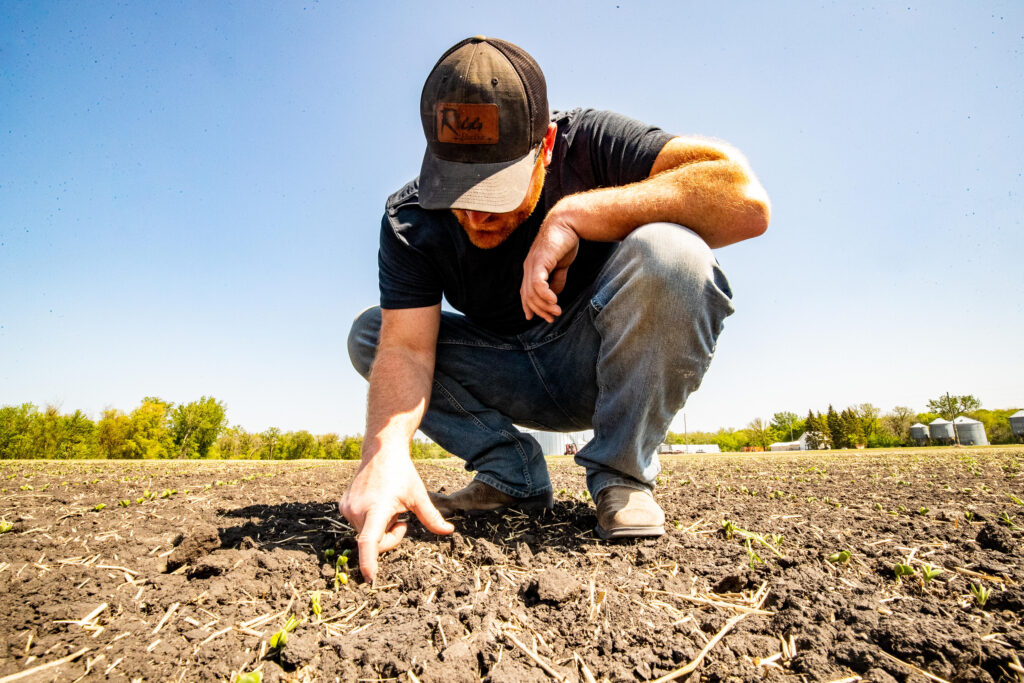
Phosphate is a critical nutrient for crop production, yet declining domestic phosphate production has increased U.S. reliance on imported fertilizer. Today, 40% of phosphate-based fertilizer is imported, increasing exposure to global supply chain disruptions and market volatility. By expanding domestic manufacturing capacity and bringing production closer to American farms, this project would help strengthen supply reliability, reduce exposure to global disruptions, and support more resilient phosphate-based fertilizer supply for U.S. agriculture.
Helping improve farmer access and supply certainty
Fertilizer is one of the largest input costs for crop producers. As global market disruptions have increased in recent years, managing supply has become increasingly important for farmers.
By increasing domestic production capacity, we are improving supply chain efficiency. This project has the potential to create a more stable phosphate-based fertilizer supply environment.
Photos courtesy of CHS Inc.
Supporting a more reliable phosphate-based fertilizer supply
Phosphate is a critical nutrient for crop production, yet declining domestic phosphate production has increased U.S. reliance on imported fertilizer. Today, 40% of phosphate-based fertilizer is imported, increasing exposure to global supply chain disruptions and market volatility. By expanding domestic manufacturing capacity and bringing production closer to American farms, this project would help strengthen supply reliability, reduce exposure to global disruptions, and support more resilient phosphate-based fertilizer supply for U.S. agriculture.
Helping improve farmer access and supply certainty
Fertilizer is one of the largest input costs for crop producers. As global market disruptions have increased in recent years, managing supply has become increasingly important for farmers.
By increasing domestic production capacity, we are improving supply chain efficiency. This project has the potential to create a more stable phosphate-based fertilizer supply environment.
Photos courtesy of CHS Inc.
Benefits for Louisiana
Creating jobs in Jefferson Parish and the Greater New Orleans Area
The facility is expected to create about 60 permanent, high impact jobs in Jefferson Parish along with 500 construction jobs. The total job impact estimate of 924 direct and services-support jobs during the project period brings real economic and community impact to Louisiana.
Commitment to Communities
Throughout project planning and development, CHS and OCP are committed to engaging the local community and stakeholders, communicating transparently and operating responsibly.
As part of the project announcement between CHS and OCP, the companies will jointly contribute $100,000 to support hunger relief efforts in the Greater New Orleans area.
This donation reflects the joint venture’s commitment to supporting the communities it serves and addressing food insecurity across the region. The donation will support:

Photos courtesy of CHS Inc.
- Kenner Food Bank, operated by the City of Kenner, which provides food assistance to East and Westbank residents in need.
- Second Harvest Food Bank, which serves as the leading hunger-relief organization for South Louisiana, distributing food and resources through a broad network of community partners.
Through this contribution, the future joint venture and its parent companies are investing locally and demonstrating a shared commitment to South Louisiana and the Jefferson Parish community.
Through its Myrtle Grove grain export facility, CHS has established a strong presence in Louisiana and a history of giving in the community where it operates. In addition to its local community support, CHS has also donated $400,000 to the American Red Cross to aid in hurricane relief efforts.
Strengthening the local economy
In addition to direct employment, the project would generate local economic growth and activity through its commitment to local hiring and engaging local suppliers, contractors, and transportation providers, as well as supporting local businesses such as restaurants and hotels.
FAQs for Louisiana Residents
About CHS

CHS Inc. creates connections to empower agriculture. As a leading global agribusiness and the largest cooperative in the United States, CHS is owned by American farmers and serves customers in 65 countries. We provide critical crop inputs, market access and risk management services that help farmers feed the world. Our diversified agronomy, grains, foods and energy businesses recorded revenues of $35.5 billion in fiscal year 2025. CHS is committed to reducing our impact on the planet, finding and developing new solutions in agriculture and energy, and investing in ways to build a better future for our owners, customers, employees and communities.
Learn more about CHS.
About OCP North America

OCP North America, a subsidiary of OCP Group, provides a reliable supply of high-quality phosphate-based solutions tailored to the needs of North American agriculture.
OCP North America promotes responsible nutrient management and the adoption of science-based agronomic practices. Backed by agronomic expertise and a comprehensive understanding of regional cropping systems, the company’s product portfolio enables farmers to improve nutrient efficiency, enhance productivity, and build more resilient agricultural operations.
Guided by the principles of 4R Nutrient Stewardship, the company leverages the global capabilities of OCP Group to deliver customized solutions that support productive and sustainable agriculture while contributing to long-term soil health and environmental stewardship.